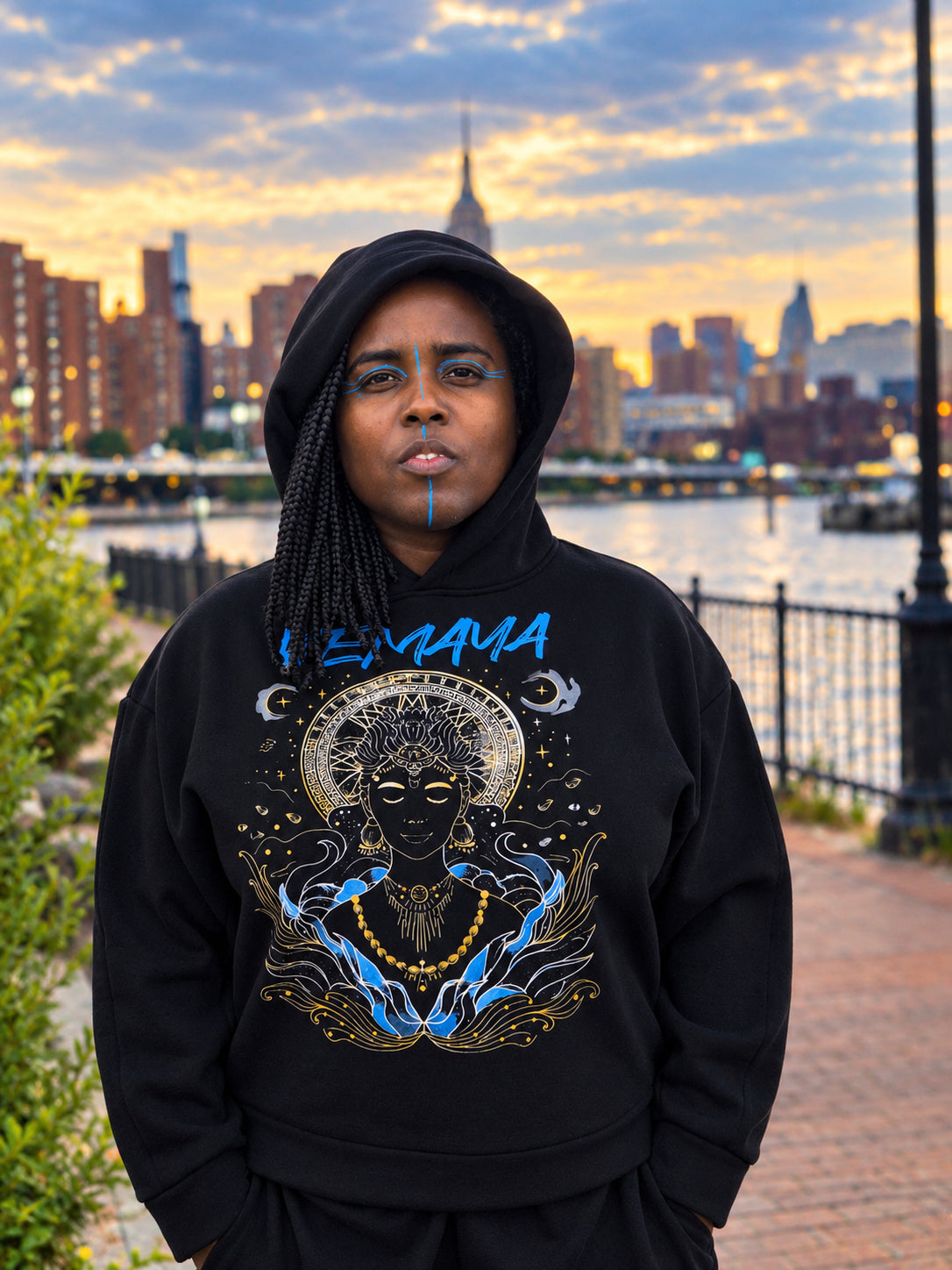
A return to what is sacred

Wear The Divine. Embody The Divine.

HLRZ was born from a simple belief: the sacred isn't something you visit once a week. It's something you carry with you every day, woven into what you wear.

Sacred tools of Eshu: Keys, coins, and his staff. He opens every road, so he is honored first.
Eshu Keys, coins, and his staff. He opens every road, so he is honored first.
Sacred tools of Oshosi: The bow and arrow, antlers, and feathers. Aim, patience, and justice.
Oshosi The bow and arrow, antlers, and feathers. Aim, patience, and justice.
Sacred tools of Oya: The machete, horsetail whisk, and many-colored beads. The wind that changes everything.
Oya The machete, horsetail whisk, and many-colored beads. The wind that changes everything.
Sacred tools of Yemaya: Shells, pearls, the mirror, and the fan. Everything the ocean holds.
Yemaya Shells, pearls, the mirror, and the fan. Everything the ocean holds.
Sacred tools of Shango: The double axe and red and white beads. Thunder you can hold.
Shango The double axe and red and white beads. Thunder you can hold.
Sacred tools of Obatala: White cloth, the whisk, and white beads. Peace, clarity, and creation.
Obatala White cloth, the whisk, and white beads. Peace, clarity, and creation.

Volume I: The Orishas

THEY ARE NOT DECORATIONS, THEY ARE GUARDIANS.

HLRZ honors the sacred traditions of Africa and its diaspora, one volume at a time. Volume I: The Orishas begins with the divine forces of the Yoruba tradition. Still practiced across West Africa, it traveled across the ocean and took deep root in the Caribbean, where it has been honored for generations.

Each piece begins as a portrait, rendered with the reverence usually reserved for a shrine, not a t-shirt. Ogun. Oshun. Yemaya. Shango. Oya. Obatala. Guardians, forces, and stories passed down through generations, now given a new form.

In Yoruba tradition, an orisha is known by what they carry. Iron for Ogun. Brass and honey for Oshun. Shells for Yemaya. These tools are how the orishas are recognized, honored, and called on, so we carry them too.

Shop Volume I
Mel, founder of HLRZ

Meet the founder

A Journey Back to My Ancestors

I was born in Roseau, Dominica, and raised Catholic. Years later, my practice of Buddhism and the communities I found there led me to a question I couldn't let go of: what would it feel like to exist within the spirituality of my own ancestors, and how might reverence for them guide me on my divine path?


HLRZ was born from that search. Every piece is an effort to remember who I am, and a reminder for all of us to see the sacred in each other.


Why fashion? Because the way we dress is one of the first impressions we have of one another. If what we wear speaks before we say a word, let it speak of the divine.


With reverence,
Shipitzi, Founder of HLRZ

REVERENCE OVER AESTHETICS

Every design honors its tradition's meaning, colors, and symbols, made with care, not trend.

Shop Volume I

VOLUME BY VOLUME

We go deep before we go wide. Each volume honors one tradition fully before the next begins. Up next: Sacred Animals.

See what's coming

MADE TO ORDER

Every piece is printed just for you, so nothing is mass-produced and nothing goes to waste.
How it ships
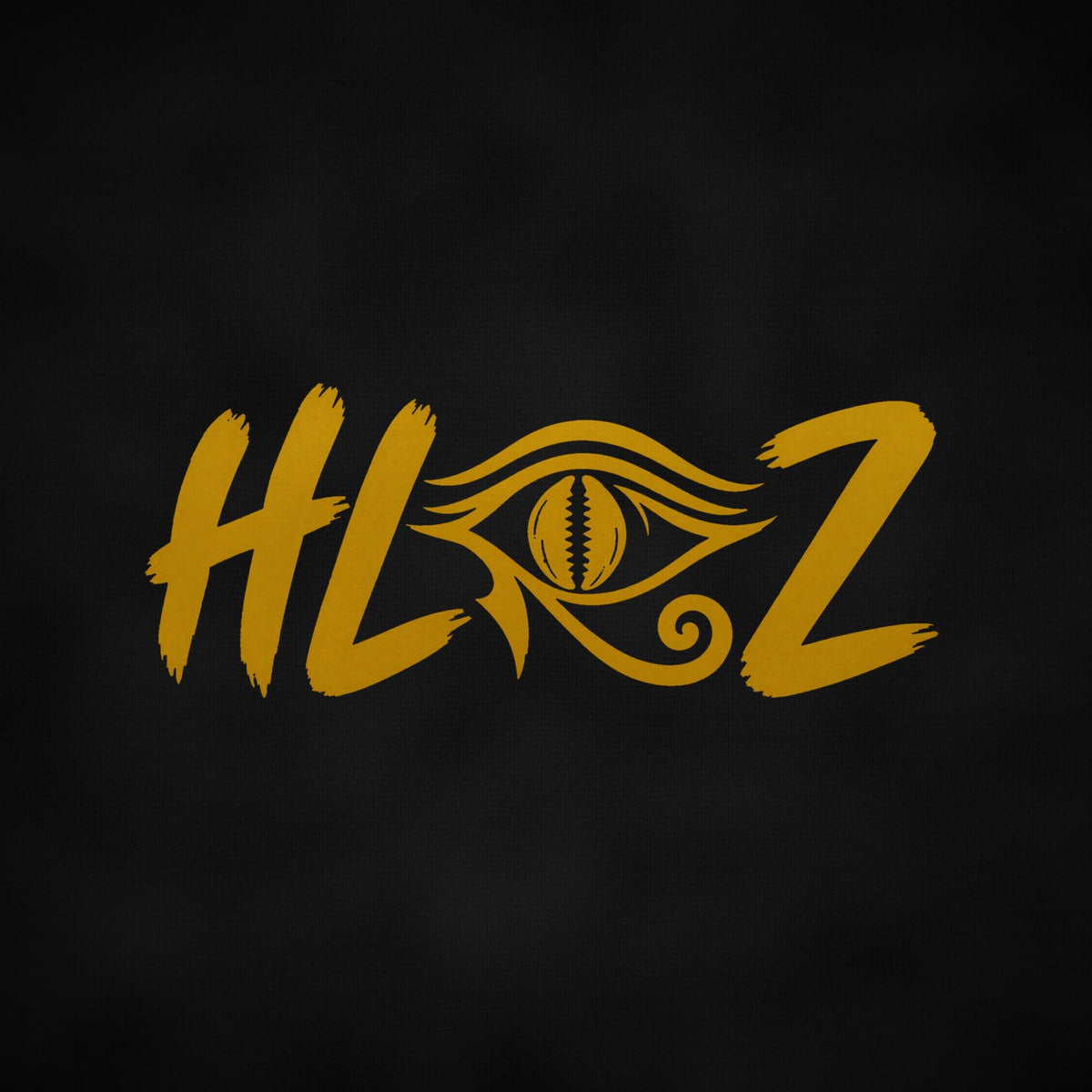
The HLRZ mark, with the Eye of Horus and cowrie shell spiral, printed on fabric

THE MARK

OUR NAME LIVES IN OUR LOGO

Our name is written with a watchful eye. The Eye of Horus stands in for the R, an ancient Kemetic symbol of protection and healing watching over everything we make. At its center turns the sacred spiral of the cowrie shell, currency and adornment of West Africa, carrying prosperity and spiritual power.

This mark is a bridge between the motherland and the diaspora. Every spirituality that has adorned our people, from the temples of Kemet to the shores of the Caribbean, lives here, worn as one story. Not decoration. Protection.

When you wear HLRZ, you're not just wearing streetwear. You're wearing a portrait of the sacred, made real.

Wear The Divine